A four-day event was organised by Cill Ulta, a partner in the Interreg NWE BIOBOOST-PRO project, in Falcarragh, Donegal, in the northwest of Ireland. The event aimed to increase collaboration between partners, foster innovation and deepen research culture in a cross-border setting.
It provided an opportunity for the Irish partners to participate in a programme of site visits and focus group discussions with key stakeholders, including professors, farmers and socio-economic experts.
Site visits in Donegal
Participants visited three technical facilities, enterprises and innovative sites in Donegal.
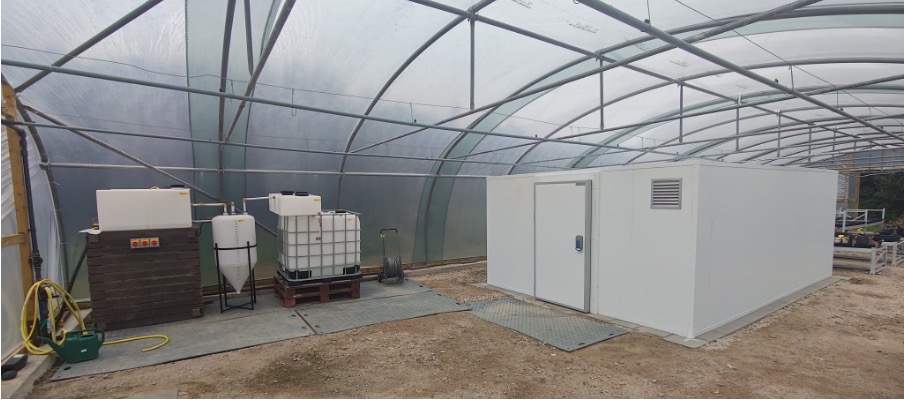
The visit to Cill Ulta focused on recent developments at its pilot site. Cill Ulta is a community-based organisation located in Killult, Donegal, which serves as a demonstrator for regenerative horticulture, glasshouse innovation and circular bioeconomy practice and research.
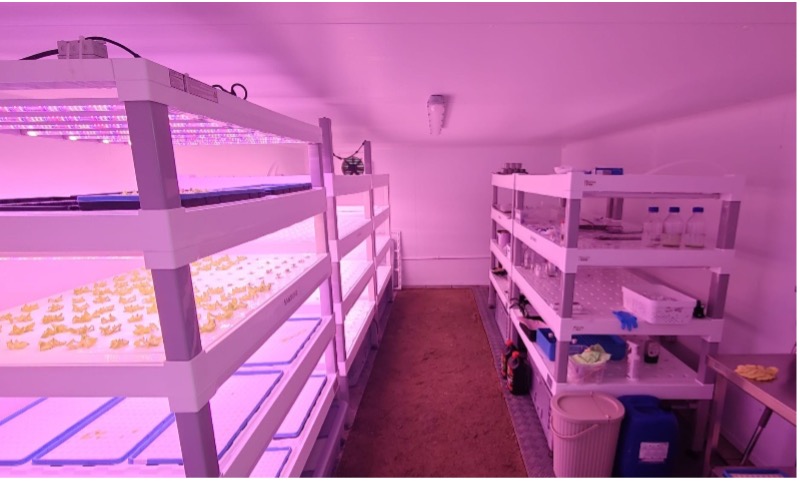
Its facilities and activities include glasshouse and polytunnel operations, biochar trials, regenerative horticulture and circular bioeconomy projects. These support initiatives such as blueberry production, Blue2Well and the BIOBOOST-PRO bioponics pilot, which demonstrates residual stream valorisation using fish-farm residual water.
The visit to OGT’s regional seaweed processing and harvesting operations provided insights into cutting-edge technologies, operational best practices and innovative approaches in the sector.
A visit to the MOWI aquaculture facility in Donegal showcased sludge processing units that convert sludge into higher-value inputs for feed, fertiliser and bio-based materials. MOWI Ireland is a small part of the MOWI ASA group, one of the largest salmon producers globally, known for its responsible aquaculture and ethical production.
Fertiliser produced at the MOWI aquaculture facility provides nutrients for plants grown in the BIOBOOST-PRO project. The facility raises fish of different sizes in separate tanks, with 103 tanks and a capacity of 3,750 cubic metres. Most of the sludge produced goes to a biogas plant, while a small quantity goes to Cill Ulta.
The three visits demonstrated a commitment to sustainability, innovation and local leadership in sustainable development. They also highlighted the role of local enterprises in supporting the economy.
 Key messages from the focus group
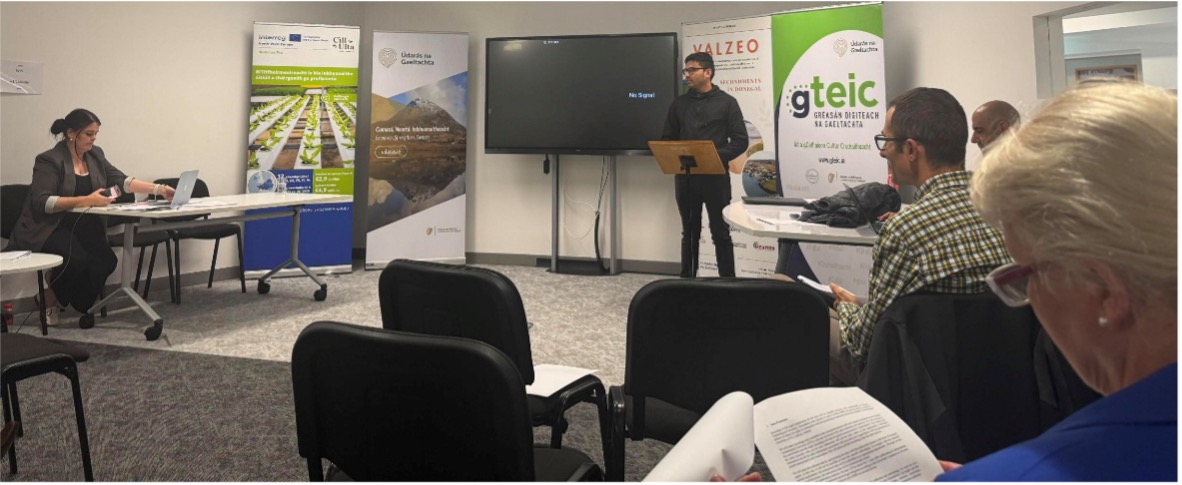
The event included a one-hour focus group with eight participants from various fields, including academia and farming. Facilitated by ATU researchers, the discussion aimed to understand stakeholders’ perspectives on two main issues: the barriers and drivers affecting the adoption of bioponics in Ireland, and the circular business models currently used in bioponics.
Five key messages emerged:
Increase knowledge through education and collaboration. Although bioponics has significant potential, knowledge in the area remains limited. Education on circularity, sustainability and circular business models in agriculture, beginning at an early age, could help, alongside collaboration with experts.
Strengthen policy support and incentives. Enhanced policy support and targeted socio-economic incentives are needed to facilitate and accelerate the implementation of bioponics.
Encourage cooperation and community engagement. Cooperation between farmers and key stakeholders, demonstrations of best practice and community engagement could support the adoption of bioponics systems. Promoting the potential of bioponics to produce local, organic, clean and safe food could also help.
Educate farmers and consumers. Improving their understanding of bioponics could increase its acceptance as a sustainable food production system.
Support innovation and innovative farmers. Promoting innovative technologies and initiatives, while recognising and supporting innovative farmers, could strengthen circularity and encourage wider adoption of bioponics.
Reflection and future collaboration
The event concluded on the fourth day with reflection on lessons learned and opportunities for collaboration and partnership building to achieve shared goals.
Donegal provided a setting for sharing information and knowledge, leaving participants with valuable insights, stronger connections and renewed enthusiasm for future collaboration.